Featured Articles

How Legalization, Innovation, and Social Acceptance Are Transforming the Industry

Cannabis culture is entering a new era—one shaped by changing laws, technological innovation, wellness conversations, entrepreneurship, and a growing demand for responsible consumption. Once pushed into the shadows by prohibition and social stigma, cannabis is increasingly becoming part of mainstream discussions surrounding health, business, creativity, food, fashion, and entertainment.This transformation is bigger than the legalization of a plant. It represents a cultural shift in how cannabis is understood, produced, marketed, and experienced.
cannabis times 1
legal cannabis
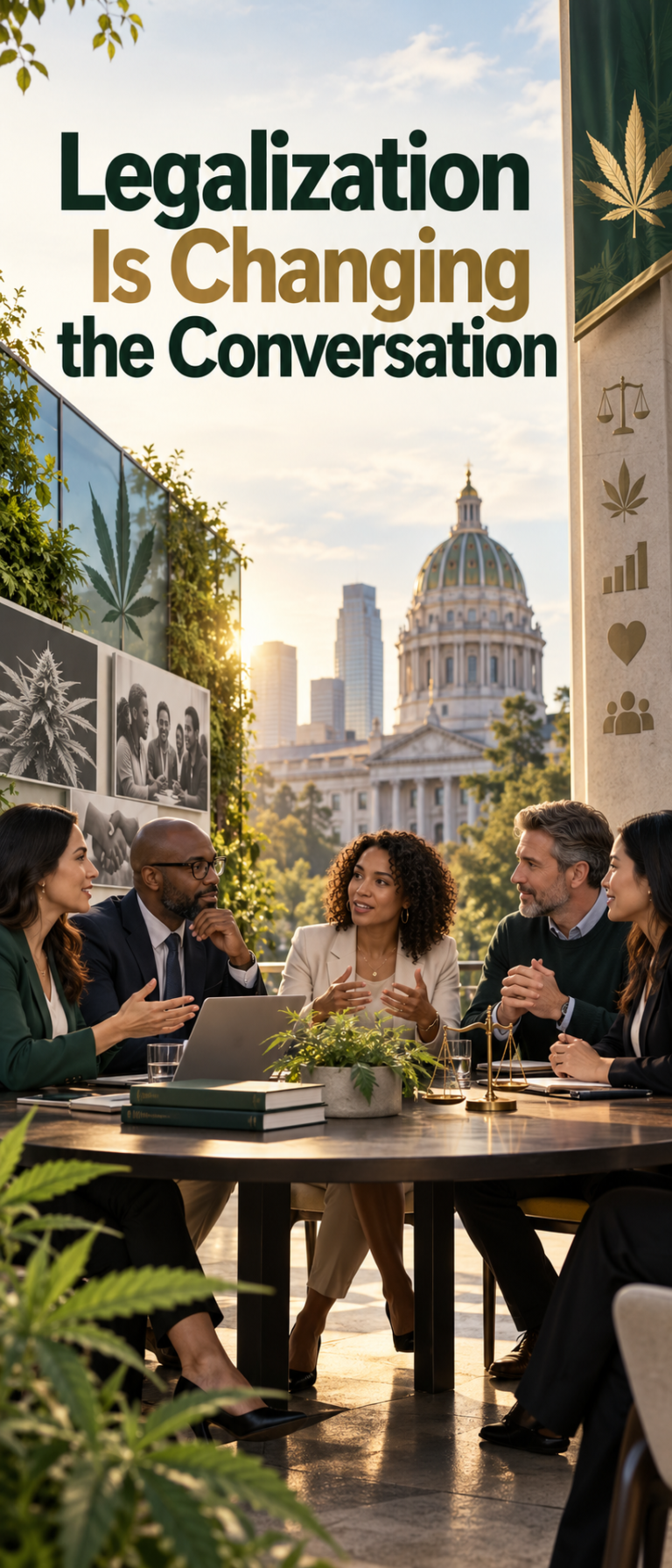
Legalization Is Changing the Conversation

Legalization has been one of the most powerful forces reshaping cannabis culture. According to the National Conference of State Legislatures, 24 states, three territories, and Washington, D.C., allowed or regulated adult nonmedical cannabis use as of its June 2025 update. Medical cannabis programs have expanded even further across the country. However, laws governing possession, retail sales, cultivation, transportation, and public consumption continue to vary by jurisdiction. National Conference of State Legislatures

At the federal level, cannabis policy also continues to evolve. Although recent actions have changed the treatment of certain medical cannabis products, broader federal reform remains unfinished. That leaves consumers and businesses navigating a complicated mix of federal, state, and local regulations.

Even with those challenges, legalization has helped move cannabis away from secretive transactions and toward licensed businesses, tested products, professional packaging, age restrictions, and consumer education. In regulated markets, cannabis is increasingly treated as a legitimate industry with compliance standards, employment opportunities, tax revenue, and economic-development potential.

Legalization has also created space for conversations about criminal-justice reform. Communities disproportionately affected by cannabis enforcement are calling for expungement programs, equitable licensing opportunities, workforce development, and meaningful access to the legal marketplace.

The new era of cannabis cannot be measured only by sales. It must also be measured by who receives the opportunity to participate and prosper.

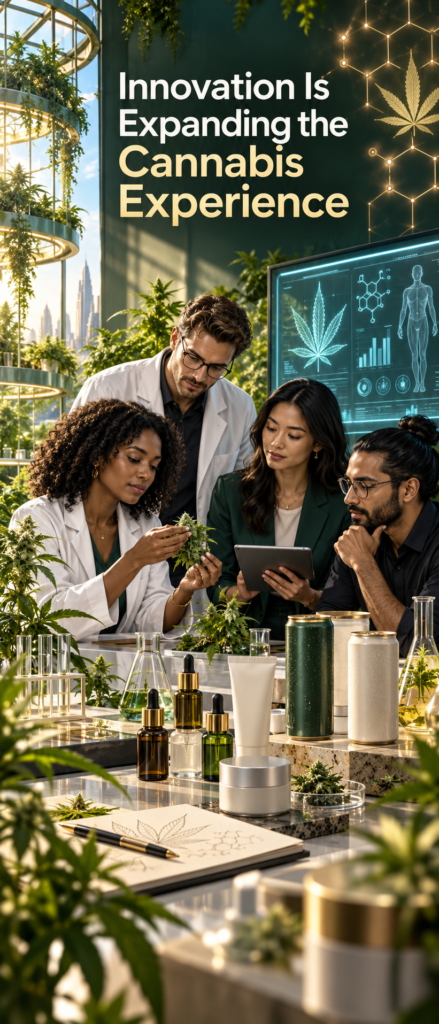
Innovation Is Expanding the Cannabis Experience

Modern cannabis culture extends far beyond traditional flower. Consumers can now encounter products such as edibles, beverages, tinctures, capsules, topicals, concentrates, and precisely measured formulations. This variety has encouraged brands to develop products for different preferences, occasions, and experience levels.

Innovation is also transforming cultivation and manufacturing. Businesses are exploring environmentally conscious growing methods, energy-efficient facilities, improved extraction technologies, terpene preservation, genetic research, and more consistent product formulations. Digital tools are helping operators monitor crops, manage inventory, verify laboratory results, and communicate product information to consumers.

Research is expanding as well. The National Institute on Drug Abuse supports studies examining cannabinoids, the endocannabinoid system, potential therapeutic applications, mental-health effects, cannabis use disorder, and the public-health consequences of changing cannabis policies. National Institute on Drug Abuse

However, innovation must be paired with accountability. New products can create confusion when labels, serving sizes, potency, or ingredients are unclear. The FDA continues to warn that many cannabis-derived products have not been evaluated or approved for medical use and has raised concerns about misleading claims and inconsistent formulations. U.S. Food and Drug Administration

Responsible innovation should therefore include accurate testing, transparent labels, child-resistant packaging, clear dosage information, responsible marketing, and honest communication about both potential benefits and risks.

innovation cannabis
socail acceptance cannabis '
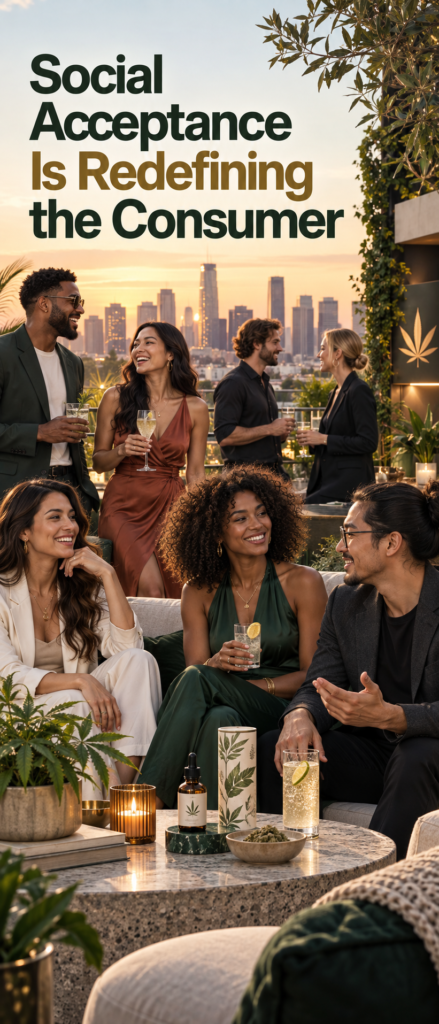
Social Acceptance Is Redefining the Consumer

The image of the cannabis consumer is changing. Cannabis users are not one personality, generation, or lifestyle. They include professionals, creatives, entrepreneurs, veterans, parents, medical patients, wellness consumers, and older adults.

Public attitudes have shifted significantly over time. Gallup reported in 2025 that 64% of American adults supported legal cannabis, compared with only 12% when the organization first asked the question in 1969. Gallup

Greater social acceptance has made it easier for people to discuss cannabis openly, but normalization does not eliminate the need for responsibility. Consumers still need trustworthy information about potency, impairment, medication interactions, storage, driving, workplace policies, and local laws.

Mainstream acceptance is also influencing entertainment, hospitality, fashion, art, and media. Cannabis-centered events, educational workshops, culinary experiences, wellness conversations, and lifestyle publications are presenting the plant through a broader cultural lens. Instead of focusing only on consumption, these platforms explore the people, stories, businesses, and ideas surrounding the industry.

Cannabis With Intention: Wellness, Responsibility and the Future of the Industry

A smarter cannabis culture begins with informed choices

Cannabis culture is entering a more thoughtful era. As legalization expands, products become more sophisticated, and social acceptance grows, consumers are asking better questions: What is in this product? How much should I use? Could it support my wellness goals? And how do I enjoy cannabis without compromising my health, safety or responsibilities?The future of cannabis is not simply about greater access. It is about education, transparency and intentional consumption.

cannabis culture
ind times 900 x 2100
Responsible Consumption Starts Before the First Dose

Cannabis affects everyone differently. A person’s response can vary based on body chemistry, experience, THC tolerance, medications, method of consumption and whether the product is taken with food or alcohol.

For adults who choose to consume, several practices can reduce the likelihood of an uncomfortable or unsafe experience:

  • Start with the lowest practical dose, especially when trying a new product.
  • Read the label carefully and confirm the amount of THC in each serving—not just the entire package.
  • Give edibles adequate time to take effect before consuming more.
  • Avoid combining cannabis with alcohol or other substances that can increase impairment.
  • Never drive, operate machinery or perform safety-sensitive work while impaired.
  • Purchase regulated products from licensed retailers whenever possible.
  • Store cannabis in its original, child-resistant packaging and keep it secured away from children and pets.
  • Choose a comfortable setting and consume around people you trust.
  • Keep a personal record of products, serving sizes and effects to understand what works for you.

Higher potency does not automatically mean a better experience. Concentrated products can deliver large amounts of THC quickly, increasing the risk of anxiety, confusion, rapid heart rate, nausea or other unwanted effects. The CDC also notes that cannabis can affect memory, attention, decision-making, coordination and reaction time. Learn more from the CDC.

Frequent use deserves attention as well. An estimated three in ten people who use cannabis may develop cannabis use disorder, with greater risk among those who begin at a younger age or consume frequently. CDC cannabis facts and statistics.

Responsible consumption also means respecting other people. Smoke only where permitted, avoid exposing others to secondhand smoke and never pressure someone to participate. Cannabis should be a personal choice—not a social requirement.

Cannabis and Wellness: Potential Without the Hype

Cannabis and cannabinoids are increasingly associated with wellness routines involving pain management, relaxation, sleep and recovery. However, consumer interest has often moved faster than scientific research.

Evidence suggests that certain cannabis- or cannabinoid-based products may help some adults manage chronic pain in the short term. Cannabinoids may also offer benefits for specific symptoms associated with conditions such as multiple sclerosis. Research involving sleep has reported improvements among some patients, but scientists are still determining whether cannabis directly improves sleep or whether people sleep better because pain and other symptoms have been reduced. National Center for Complementary and Integrative Health.

That distinction matters. “Cannabis may help” is not the same as “cannabis is proven to cure.”

CBD presents a similar challenge. Although it does not produce the traditional intoxicating “high” associated with THC, CBD is not automatically risk-free. It may cause drowsiness, affect the liver or interact with prescription and over-the-counter medications. The FDA has approved one CBD-based prescription medication for certain seizure disorders, but it has not approved the wide range of retail CBD products marketed for everyday wellness. FDA consumer guidance on cannabis and CBD.

Consumers using cannabis for a medical condition should speak with a qualified healthcare professional—particularly if they take medications, have a history of heart or mental-health concerns, or are preparing for surgery. Pregnant and breastfeeding individuals are advised to avoid cannabis, including THC and CBD products. CDC guidance on cannabis and pregnancy.

Wellness begins with honesty: Cannabis may be useful for some people, ineffective for others and inappropriate for certain individuals.

wellness cannabis
wellness cannabis 2
The People Shaping the Future of Cannabis
Meet the entrepreneurs, creators, advocates, and communities transforming cannabis into a more innovative, inclusive, and culturally influential industry.

The future of cannabis is not being defined by a single product, company, or trend. It is being shaped by people—visionary entrepreneurs, independent creators, community advocates, wellness professionals, cultivators, educators, and consumers who are changing how cannabis is produced, presented, understood, and experienced.

As legalization and social acceptance continue to evolve, cannabis is moving beyond outdated stereotypes. A new generation is building an industry centered on innovation, responsible consumption, cultural authenticity, wellness, economic opportunity, and community impact.

cannabis entrpreneurs
Entrepreneurs Building Beyond the Dispensary

Cannabis entrepreneurship now extends far beyond cultivation and retail. Business owners are developing infused beverages, wellness products, accessories, technology platforms, hospitality experiences, educational programs, media companies, and professional services.

Many founders are entering the industry after recognizing needs that larger companies have overlooked. Some are creating products for consumers who prefer discreet, low-dose, or smoke-free options. Others are building services that help cannabis businesses manage branding, compliance, marketing, packaging, logistics, and customer education.

These entrepreneurs are helping cannabis become a sophisticated consumer marketplace. They understand that today’s customers want more than potency. Consumers are increasingly interested in quality, transparency, convenience, consistency, and brands that reflect their lifestyles and values.

However, building a cannabis business remains challenging. Entrepreneurs must navigate complex regulations, limited access to banking, high operating costs, shifting public policies, and restrictions on advertising. Independent and minority-owned companies may also struggle to obtain the capital and industry connections needed to compete.

Despite those barriers, determined founders continue to create new pathways into the market.